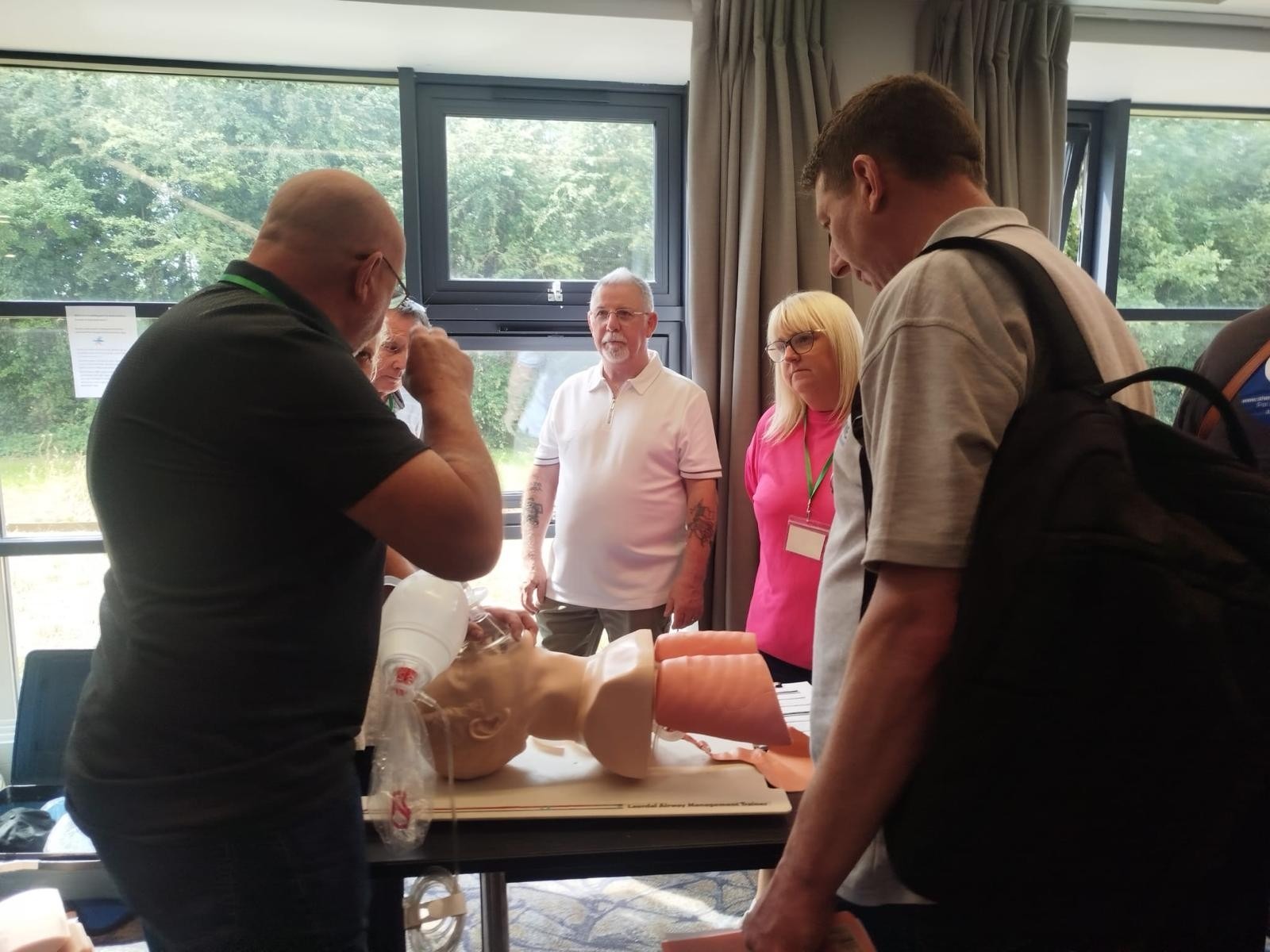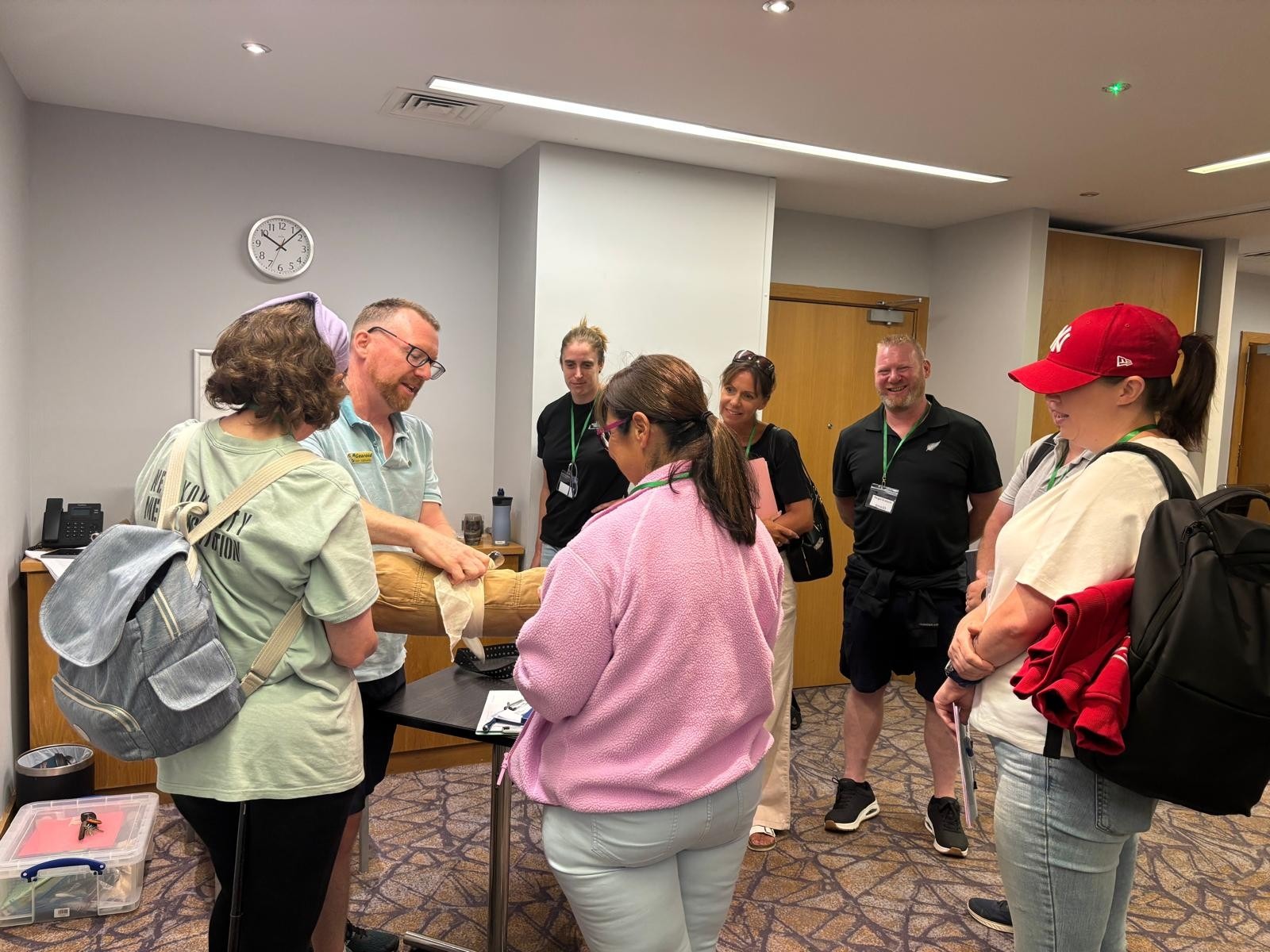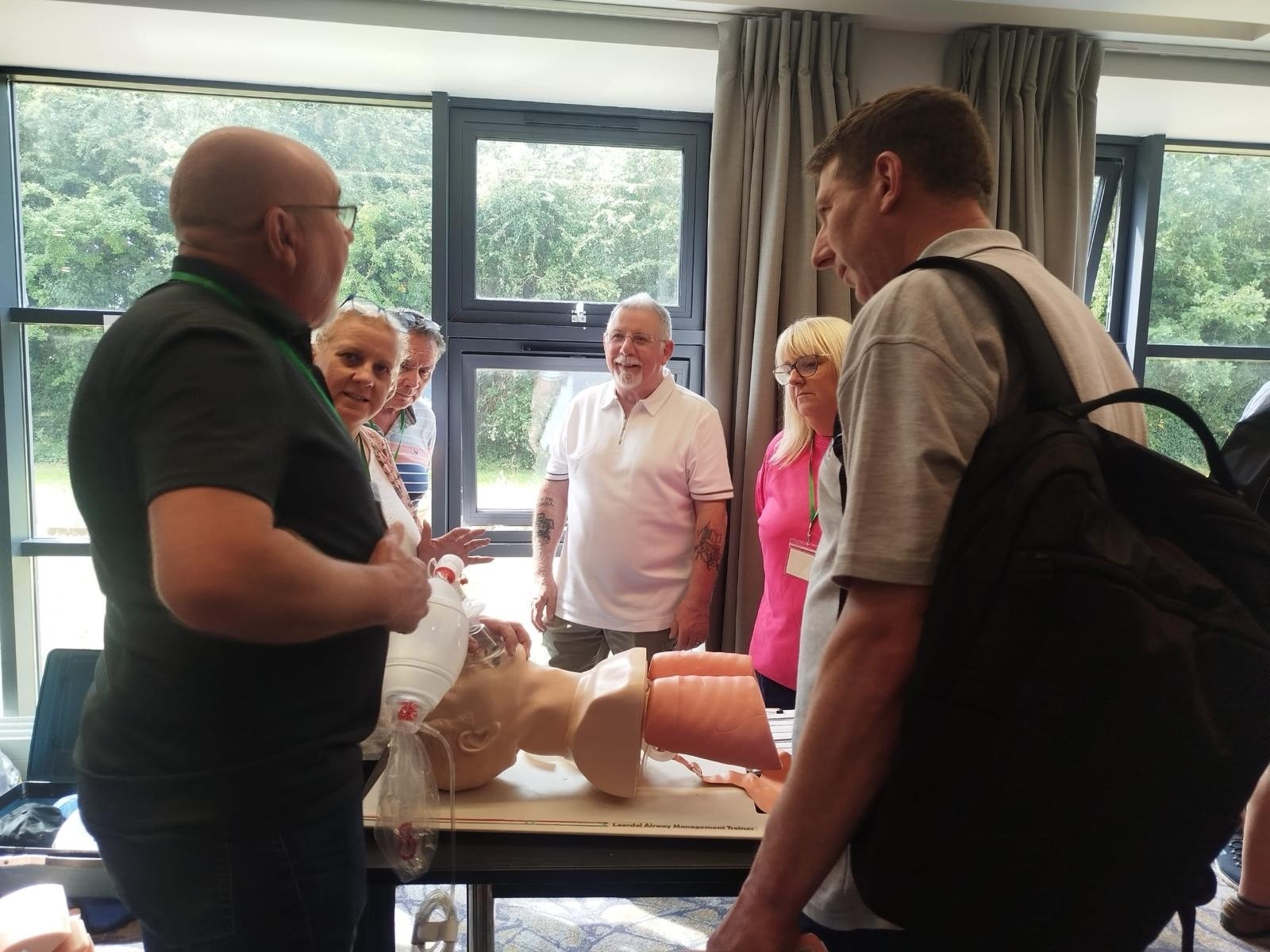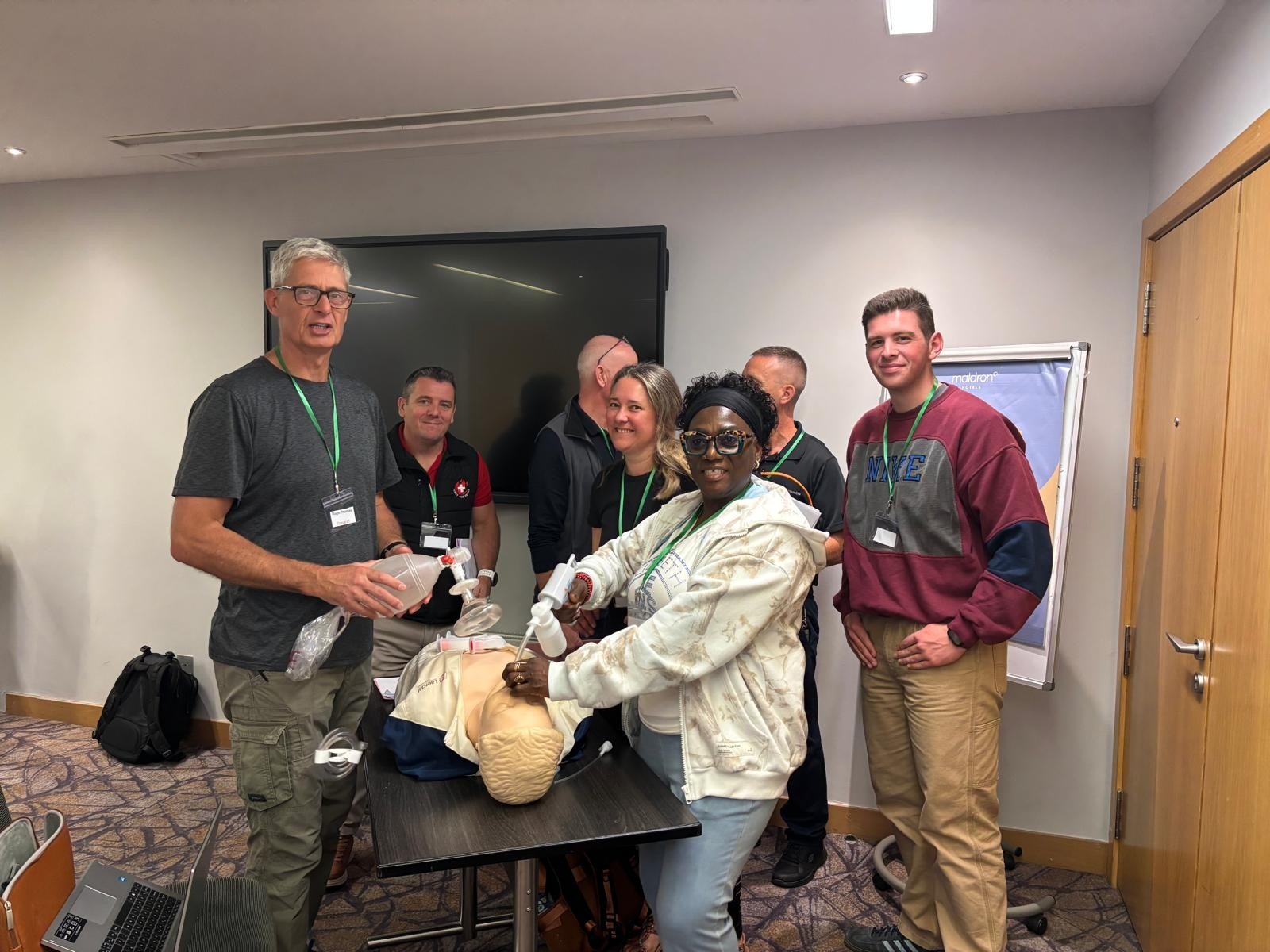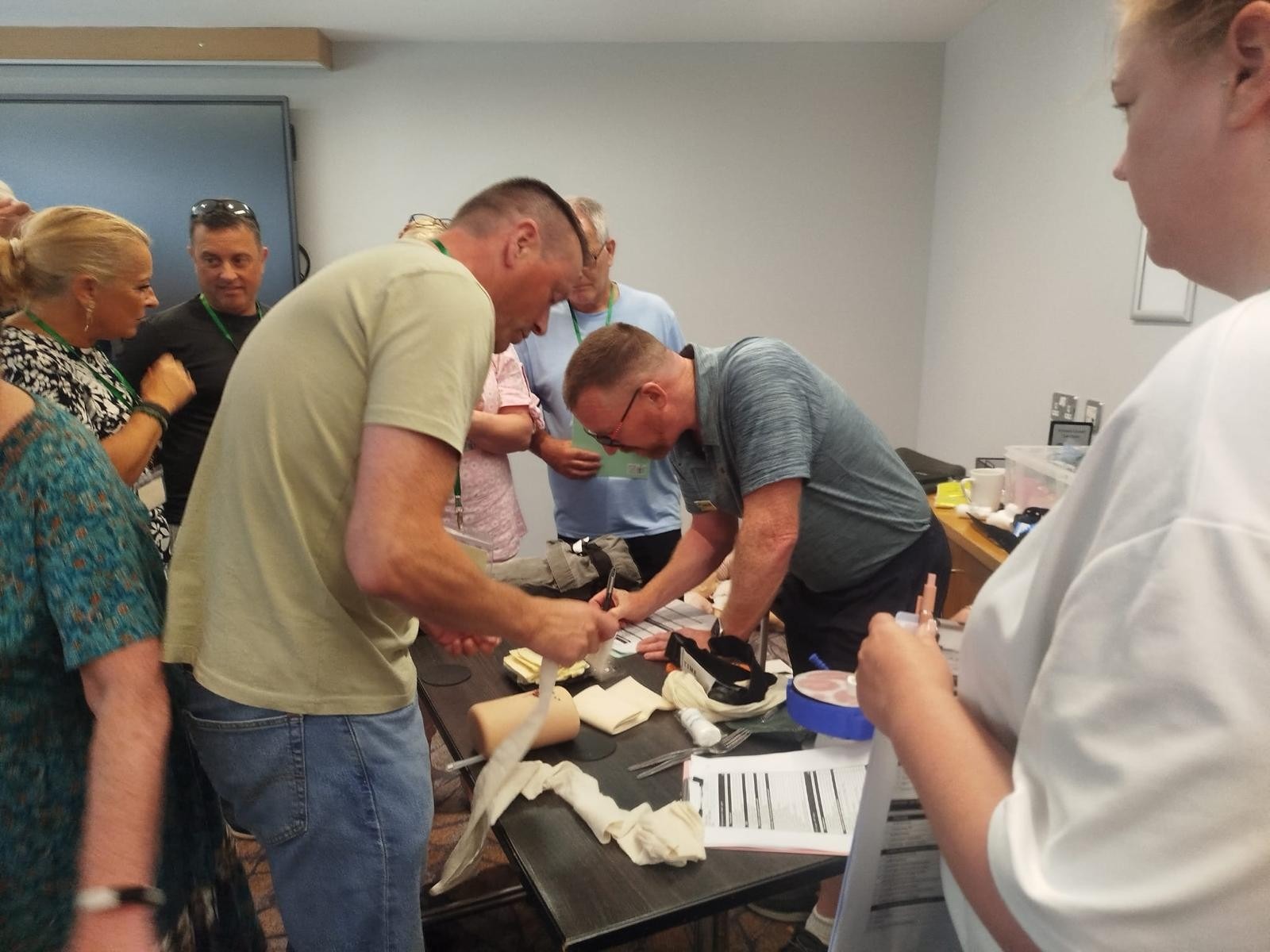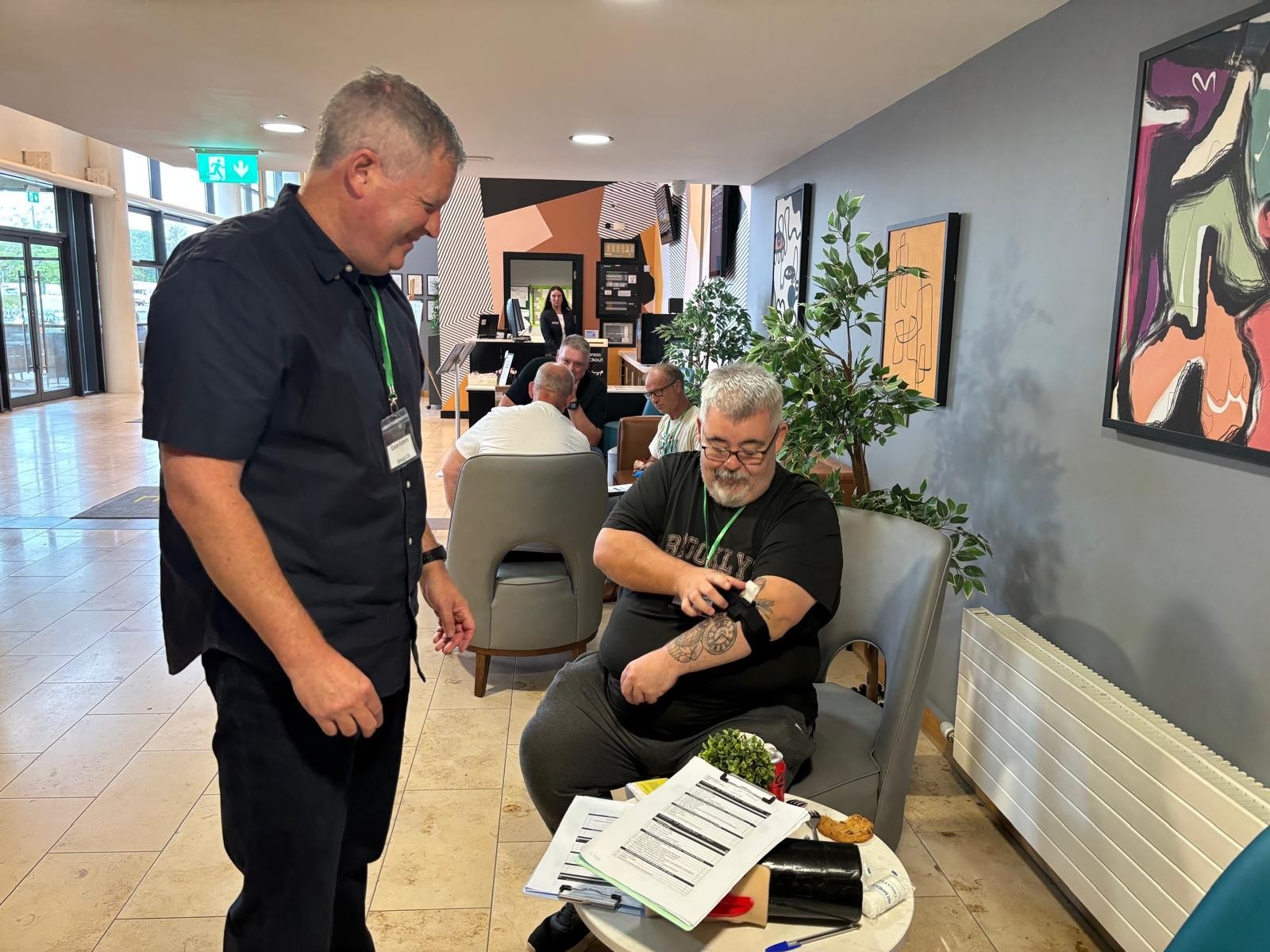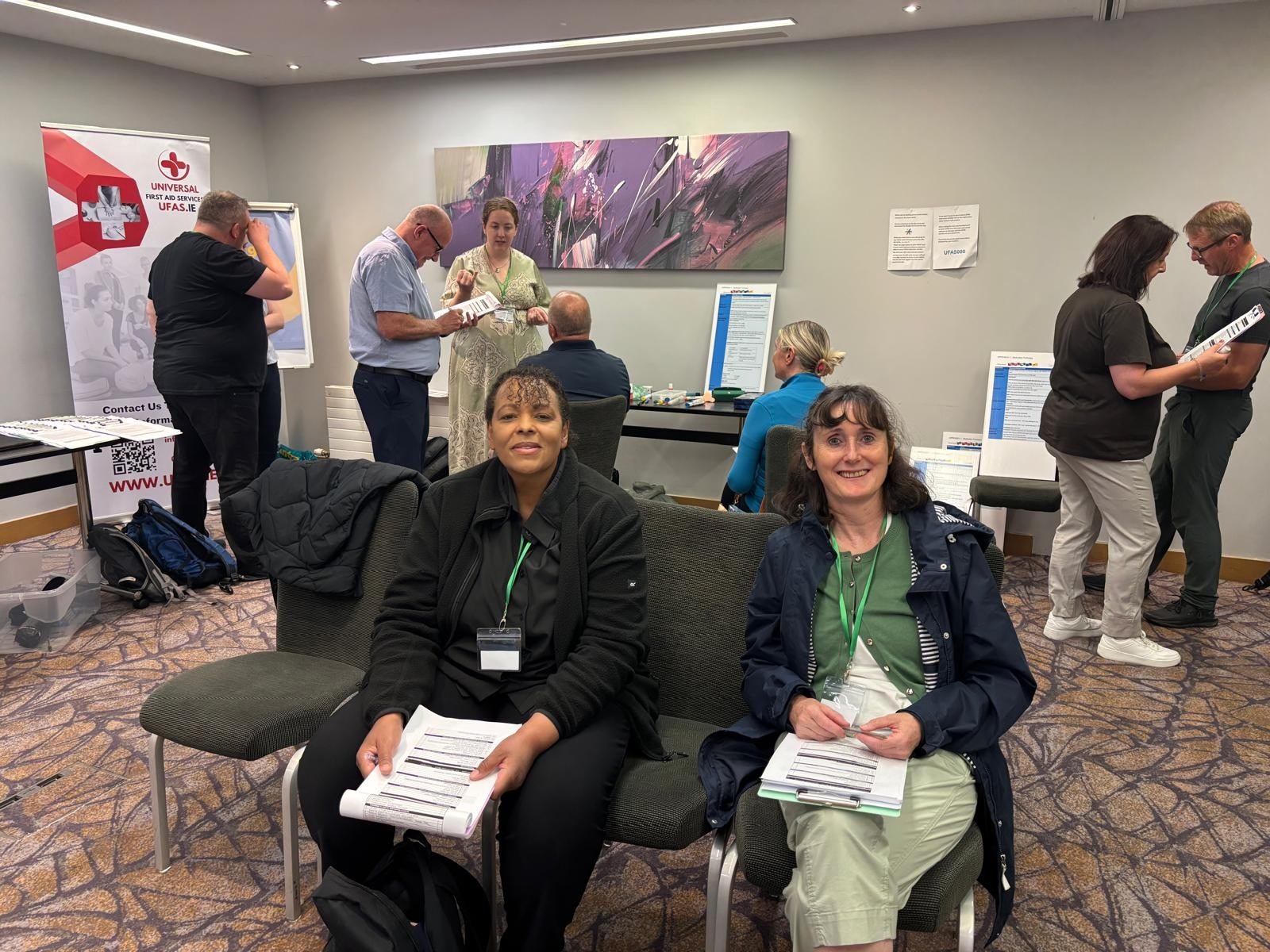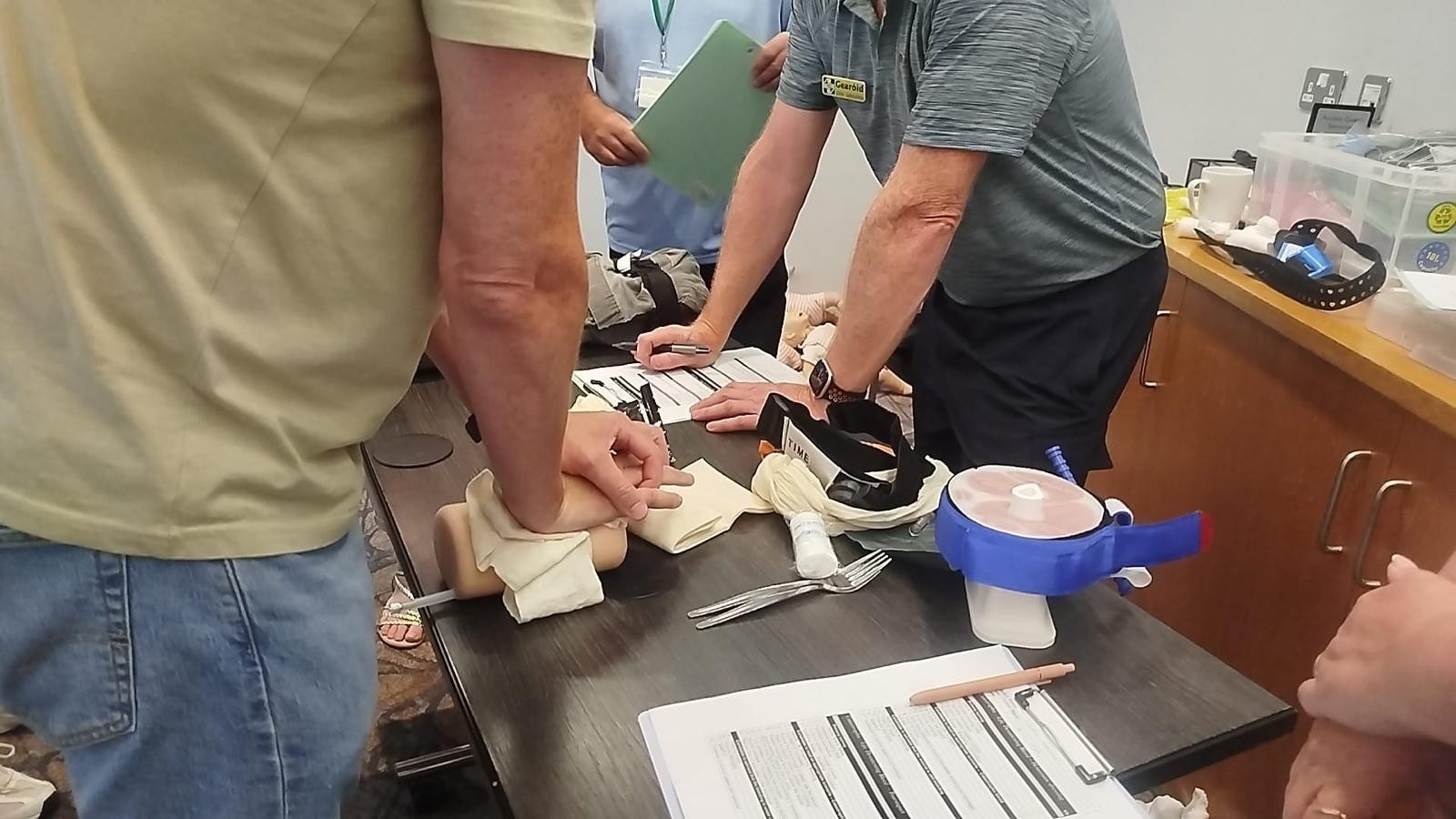
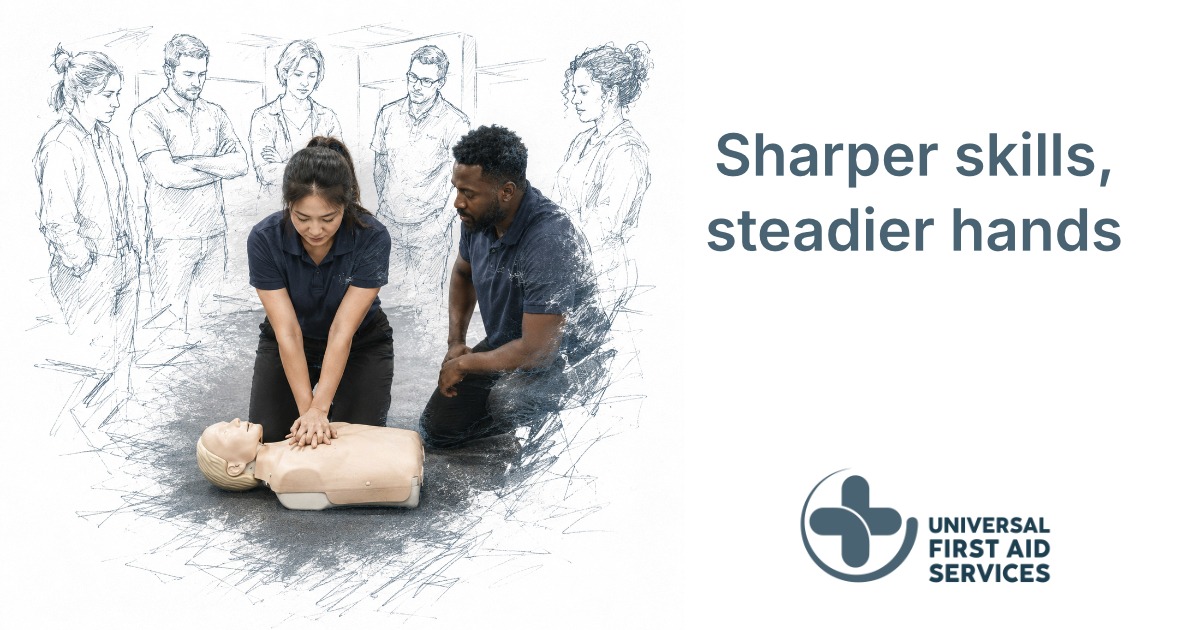
Standards in first aid training do not hold themselves up. They are held up by the people standing at the front of the room, and those people need time of their own to stay sharp. That is why UFAS closed the diary for a day in July and brought our tutors and instructor assistants together for a PHECC instructor upskilling day.
It was a practical day rather than a classroom day. Hands on manikins, defibrillators out of the bag, real cases talked through honestly and a fair amount of healthy argument about how best to teach any of it. Here is what the day covered and why we keep making room for it.
What an instructor upskilling day actually involves
Continuous professional development can sound like a box being ticked. It is not, or at least it should not be. An instructor upskilling day is a working day where the people who normally assess everyone else are the ones being watched, corrected and stretched.
The July day was led by PJ Carroll and built around four things: refreshing core clinical skills, reviewing changes to the Clinical Practice Guidelines, sharing what has actually happened out on real calls and testing new ways of teaching the same material. Everyone in the room instructs on PHECC accredited courses, so the standard we were working to was the standard our candidates are held to.
Refreshing the core skills, properly
Every instructor can talk through compressions, rescue breaths and defibrillation in their sleep. That is exactly the risk. When you teach a skill fifty times a year it is easy for your own technique to drift a little without anyone telling you.
So we went back to the floor. Compression depth and rate on the manikin with feedback, airway management, recovery position, choking, bleeding control and AED pad placement under time pressure. Not because anyone had forgotten it, but because a small correction on an instructor’s technique gets passed on to every class that instructor runs afterwards.
Keeping pace with the Clinical Practice Guidelines
PHECC’s Clinical Practice Guidelines are the clinical backbone of first aid and pre-hospital emergency care in Ireland, and they are reviewed and reissued rather than left to sit. When a guideline changes, it has to reach the classroom quickly or candidates are being certified against yesterday’s standard.
A good part of the day went on working through the current CPGs, what has moved, what has stayed the same and where the wording matters. We spent time on the awkward parts too. Where does a guideline stop and clinical judgement start, what do you tell a candidate who asks a question the guideline does not neatly answer, and how do you teach a change to people who learned the old version from you last year.